Rolled vs. Steel-cut vs Instant Oats

Blog Highlights
- Processing determines how oats cook and feel
- Steel-cut oats prioritise structure over speed
- Rolled oats balance texture and daily convenience
- Instant oats trade texture for quick preparation
Oats often appear as a single category on shelves, but in the kitchen, not all oats behave the same way. The difference between rolled, steel-cut, and instant oats is not about trends or nutrition labels, it is about processing, and how that processing changes texture, cooking time, and taste.
Understanding these differences helps you choose oats that actually suit your routine, whether you are preparing quick weekday breakfasts, post-workout meals, or family-friendly dishes.
Organic products make these differences easier to notice because the grain itself is not heavily altered. Certified organic products, in particular, allow the natural behaviour of oats to come through clearly.
This guide breaks down each type of oat through how it cooks, feels, and tastes — not how it is marketed.
Start With the Grain: One Oat, Three Outcomes
All oats begin as whole oat groats. What changes is what happens after harvesting.
- Steel-cut oats are chopped
- Rolled oats are steamed and flattened
- Instant oats are flattened thinner and often pre-cooked
The more an oat is processed, the faster it cooks — and the more texture it loses.
Organic oats follow the same formats, but because they are handled with restraint, their differences are easier to experience in real cooking.
Steel-cut Oats: Structure First
Steel-cut oats are the least processed of the three. The oat groat is simply cut into pieces using steel blades.
How they cook
- Cooking time: Long
- Liquid absorption: Slow and steady
- Stirring required: Minimal
Steel-cut oats retain a firm bite even after cooking. They soften from the outside in, which creates a chewy, grain-forward texture.
How they taste
The taste is mild and nutty. Because the structure remains intact, flavour develops slowly and feels subtle rather than creamy.
When steel-cut oats make sense
- When you prefer texture over softness
- When cooking savoury oat dishes
- When you have time to cook slowly
Even as organic products, steel-cut oats are not designed for speed. Their value lies in structure and patience.
Rolled Oats: Balance and Versatility
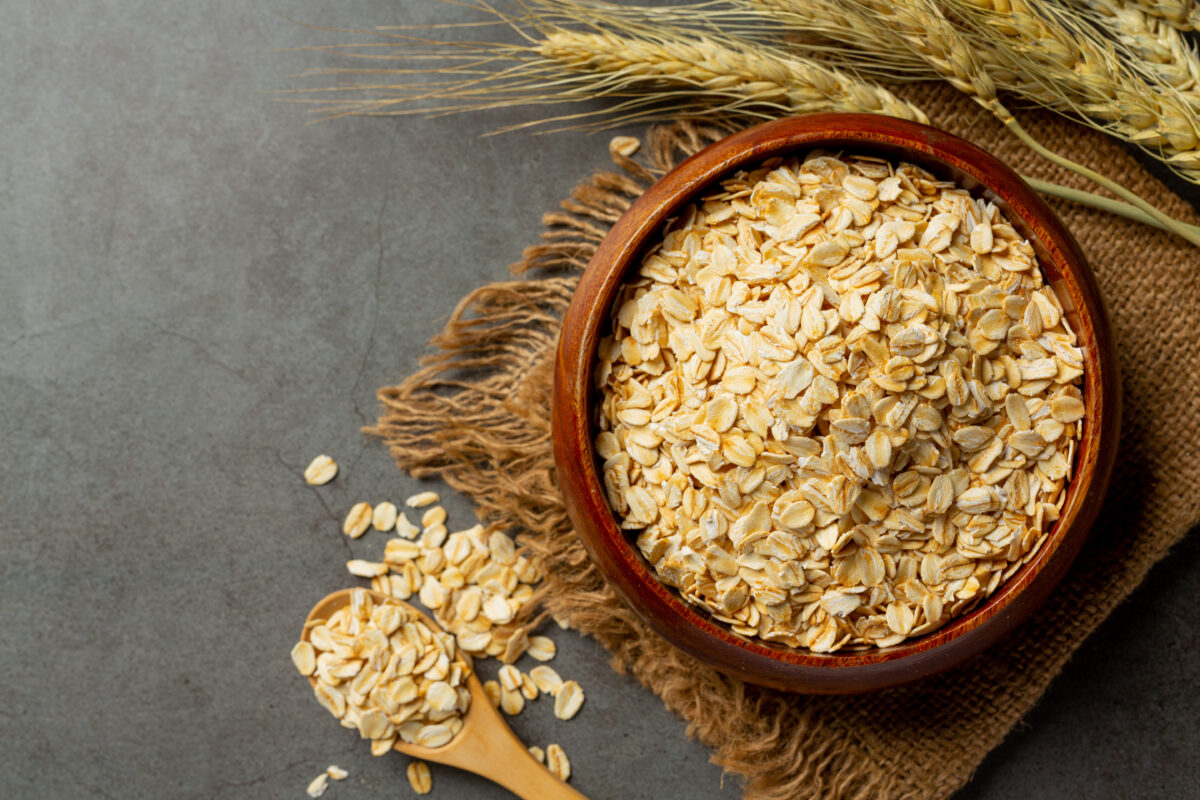
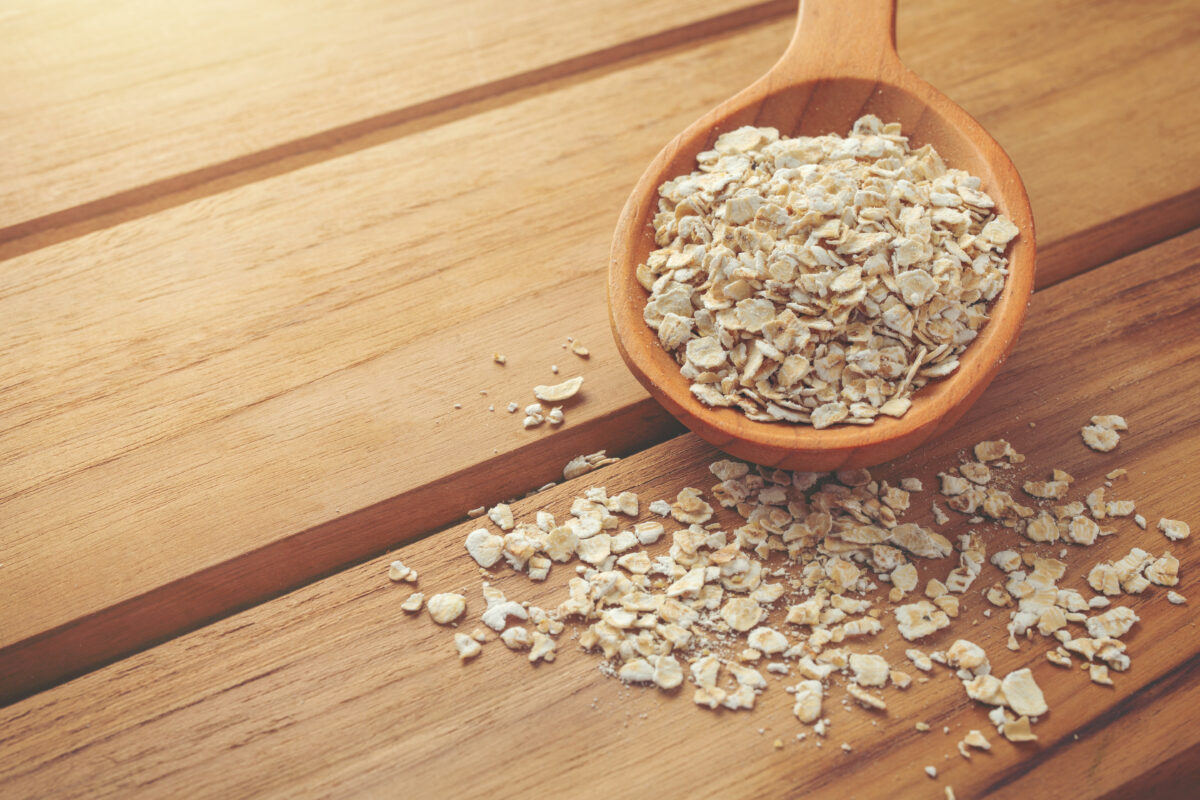
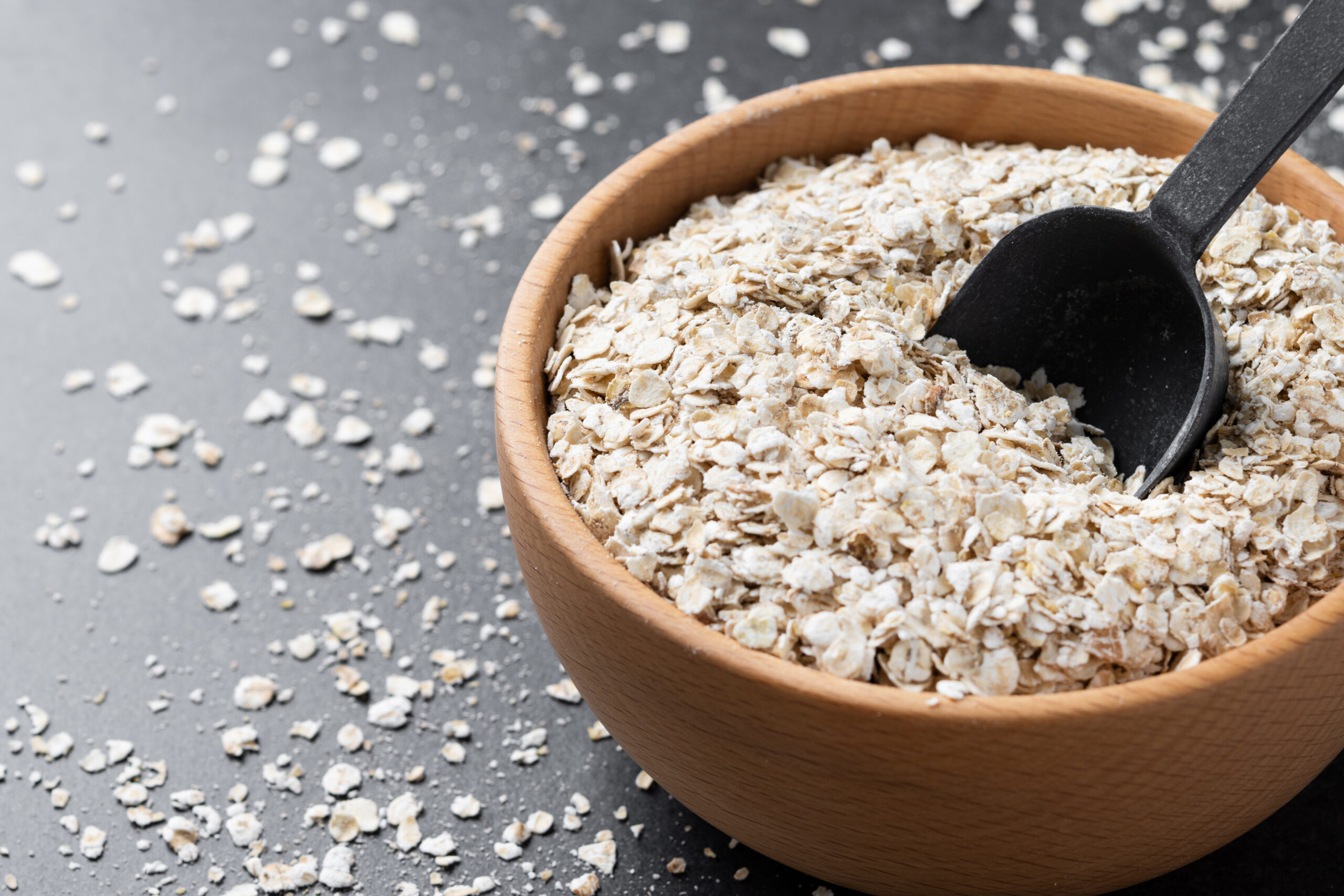
Rolled oats are steamed and flattened, which reduces cooking time while preserving the grain’s core structure.
How they cook
- Cooking time: Moderate
- Liquid absorption: Even
- Texture outcome: Soft but not mushy
Certified organic rolled oats soften gradually, giving you control over consistency. They can be cooked thicker or looser depending on preference.
How they taste
Rolled oats have a gentle, slightly sweet grain flavour. This taste stays present without overpowering other ingredients.
This balance is why rolled oats work well for both sweet and savoury recipes.
Why Homegrown sells rolled oats
HG Organic Oats are certified organic rolled oats, chosen specifically for everyday use. They are versatile enough for:
- Breakfast bowls
- Smoothie bases
- Baking
- Light savoury preparations
Rolled oats are often where natural food products and practicality meet.
Instant Oats: Speed Over Structure
Instant oats are rolled thinner and often partially cooked before packaging.
How they cook
- Cooking time: Very fast
- Liquid absorption: Immediate
- Texture outcome: Very soft, breaks down easily
Because of this processing, instant oats absorb water too quickly, leaving little room for texture control.
How they taste
Instant oats tend to taste neutral. Flavour does not develop through cooking, which is why they are often paired with strong sweeteners or flavouring.
When instant oats are useful
- When speed is the only priority
- When texture is not a concern
Even when labelled organic, instant oats sacrifice structure. Certified organic products can limit additives, but they cannot reverse heavy processing.
How Organic Processing Changes the Experience
With organic products, the key difference is not the oat type, but how honest the oat behaves.
Certified organic products restrict excessive processing. This means:
- Starches remain intact
- Natural sweetness develops during cooking
- Texture responds gradually
Natural food products may sound reassuring, but only certified organic products define how the grain is grown and handled — which directly affects cooking behaviour.
This is why the same oat type can feel very different depending on how it was processed.
Choosing the Right Oat for Your Routine
Instead of asking which oat is “better,” it helps to ask which oat fits your cooking rhythm.
- Steel-cut oats suit slow mornings and savoury meals
- Rolled oats suit daily use, families, and flexibility
- Instant oats suit urgency, not texture
For most households, rolled oats strike the balance between convenience and satisfaction,especially when they are organically grown and minimally processed.
Why Texture Matters More Than Labels
Many people focus on labels first and experience second. Cooking reverses that order.
When oats:
- Thicken naturally
- Hold their shape
- Taste complete without heavy additions
They feel satisfied. That satisfaction comes from texture and mouthfeel, not claims.
Organic products make this easier to notice because they reduce interference. Certified organic products preserve the grain’s original behaviour, allowing you to rely on experience instead of constant adjustment.
A Simple Way to Remember the Difference
- Steel-cut oats = structure and chew
- Rolled oats = balance and versatility
- Instant oats = speed and softness
Once you understand this, choosing oats becomes intuitive.
This article is part of our larger guide on Organic Oats & Cereals in the UAE – A Taste & Texture Guide, where we explain how processing, taste, and texture shape everyday grain choices. Read the blog here.
Frequently Asked Questions
1. Are all oats made from the same grain?
Yes. All oats start as whole oat groats. The difference between steel-cut, rolled, and instant oats comes from how much the grain is processed after harvest.
2. Why do steel-cut oats take longer to cook?
Steel-cut oats are only chopped, not flattened or pre-cooked. Their intact structure slows water absorption, resulting in a chewy texture and longer cooking time.
3. Why do rolled oats work best for everyday use?
Rolled oats are steamed and flattened, which reduces cooking time while preserving enough structure for control. This makes them flexible for both sweet and savoury dishes.
4. Do organic oats cook differently from regular oats?
Organic oats are handled with less aggressive processing, allowing starches, texture, and natural sweetness to develop more gradually during cooking.