This is how your food should taste.
No shortcuts or ingredients you can't pronounce. Just the real thing, the way it was always meant to be.
FEATURED PRODUCTS
-
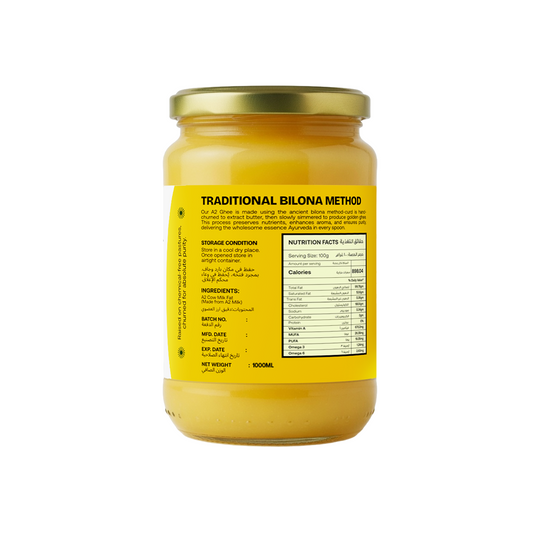
Homegrown A2 Cow Ghee
Regular price From Dhs. 46.00 AEDRegular priceSale price From Dhs. 46.00 AED -
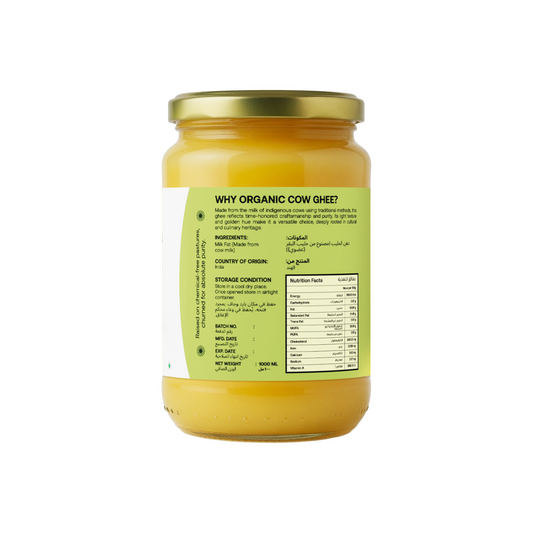
Homegrown Organic Cow Ghee
Regular price From Dhs. 49.00 AEDRegular priceSale price From Dhs. 49.00 AED
EXPLORE HEALTHY SWAPS
CERTIFICATIONS
WHY CHOOSE HOMEGROWN?
At Homegrown, we believe food should be as close to nature as possible. We deliver fresh, authentic, and chemical-free organic products that nourish your family while caring for the planet.
Grown completely without synthetic pesticides, fertilizers, or GMOs, our food relies on healthy soil and environmentally friendly farming practices. By choosing Homegrown, you're choosing food that is clean, natural, and better for you, our farmers, and the earth.
CLIENT TESTIMONIALS
-
Rhea Calle
A2 Ghee
★★★★★ 5/5"Close to homemade"
Making ghee at home takes time. This is the closest substitute I have found so far. Very happy. -
Sajeer
Beetroot Powder
★★★★★ 5/5"Tastes very natural"
I like the taste, it is exactly like beetroot. Has that sweet flavor of beetroot. Don’t think it is artificial. Good for people who want pure beetroot taste without chemicals. -
Christine
Organic Desi GHee
★★★★★ 5/5"Tastes very good"
I was searching for good ghee for long time and finally found this. The taste is very fresh, same like homemade. I tried many brands from the supermarket but this one is the best. -
Raj
Black Pepper Whole
★★★★★ 5/5"Great and pure organic taste"
Excellent product and great value for money.
Frequently Asked Questions
Q1. What is organic food?
A. Organic food is food grown without synthetic pesticides, chemical fertilisers, or GMOs, using natural farming methods that support soil health and balanced crop growth. This allows ingredients to develop at their natural pace, preserving their original taste, aroma, and texture. Because organic food is also minimally processed, it retains its natural character and behaves more consistently during cooking, making it easier to recognise how real, unaltered food is meant to taste in everyday meals.
Q2. How is organic food produced?
A. Organic food is produced using natural farming practices such as composting, crop rotation, and responsible water management. Farmers avoid synthetic chemicals and allow crops to grow in balanced, healthy soil. After harvesting, the food is handled with minimal processing and without artificial additives or preservatives. This approach helps preserve natural flavour, colour, and texture, ensuring the ingredients cook more predictably and deliver a cleaner, more authentic taste in everyday home cooking.
Q3. What are natural farming practices?
A. Natural farming practices include methods like composting, crop rotation, and using natural inputs instead of synthetic chemicals. These techniques focus on improving soil health and maintaining ecological balance over time. When crops grow in such conditions, they develop stronger structure, better flavour, and more distinct aroma. This directly influences how ingredients perform during cooking, allowing their natural taste, texture, and aroma to come through more clearly in everyday meals.
Q4. What is the difference between natural and processed food?
A. Natural food stays close to its original form with minimal handling, while processed food goes through refining, additives, or preservation methods. These processes can alter the food’s structure, flavour, and texture. Less processed foods retain their natural oils, moisture, and integrity, which supports better taste and more consistent cooking behaviour. This is why natural foods often feel more satisfying and deliver more reliable results in everyday cooking and meal preparation.
Q5. How does processing affect the taste of food?
A. Processing affects taste by changing a food’s natural oils, moisture content, and internal structure. Heavy processing can reduce aroma, flatten flavour, and alter texture, while minimal processing helps preserve the ingredient’s original characteristics. These differences influence how food reacts to heat, releases aroma, and develops texture during cooking. As a result, less processed foods often provide deeper flavour, better balance, and more consistent results in everyday meals and home cooking.