
Choosing the Right Cooking Oil for Different Cooking Styles

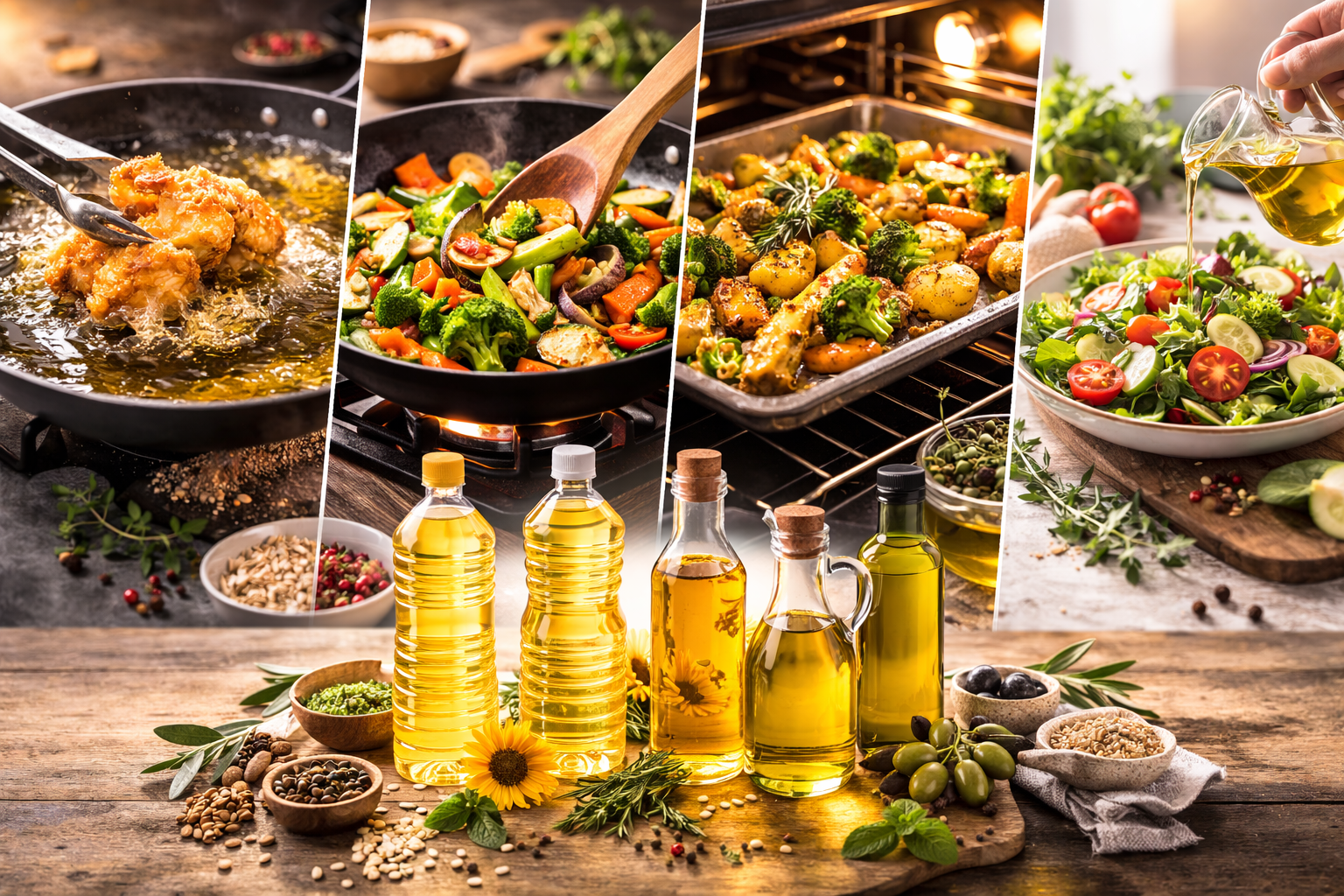
Key Highlights
- Oil choice affects flavour before ingredients are added
- Lighter oils help ingredients stay distinct
- Stronger oils create depth when used intentionally
- Awareness improves cooking without changing recipes
If you’ve ever followed a recipe exactly and still felt something was off, the reason is often simpler than it seems. The spices were right. The vegetables were fresh. The method was correct.
The oil wasn’t.
Most of us cook with one oil out of habit. It works “well enough,” so we don’t question it. But different cooking styles ask different things from oil, and when the oil doesn’t match the dish, food can feel flat, heavy, or oddly muted.
Once you start noticing how oil behaves in the pan, choosing the right one becomes instinctive.
How Oil Sets the Tone Before Food Even Enters the Pan
Before onions, before spices, before anything else — oil heats first.
That first moment matters more than we realise.
With organic edible oils, you notice this immediately. As the pan warms, aroma rises gently. You don’t need to guess if it’s hot enough. The oil tells you.
Refined oils stay quiet. They don’t offer cues, which often leads to cooking on higher heat than needed. That’s when food burns quickly or feels greasy later.
When oil gives feedback, cooking slows down in a good way.
Everyday Cooking: When Oil Should Support, Not Dominate
Think about your regular meals — sabzis, dals, quick curries. These dishes rely on balance. You want spices to bloom, vegetables to hold texture, and flavours to settle naturally.
This is where organic groundnut oil works beautifully. It has a mild, rounded aroma that appears as the oil warms and fades into the background as the dish cooks. It doesn’t shout, but it doesn’t disappear either.
The result is food that tastes familiar, but fuller. Nothing feels sharp or overdone.
This kind of oil is ideal for daily cooking because it lets the dish lead, not the medium.
Did you know? Virgin organic oils captured a 34.8% market share in 2024.
Light Cooking: When Less Is Actually More
Some foods don’t need much help. Simple vegetable stir-fries, rice dishes, or shallow sautéed meals can easily lose their character if the oil is too assertive.
If you’ve ever felt like all your vegetables taste the same no matter what you cook, the oil may be the reason.
Organic sunflower seed oil has a clean, gentle presence. It allows ingredients to stay distinct- the vegetables taste like themselves, spices remain clear, and the dish doesn’t feel weighed down.
This makes it especially useful for lighter cooking styles where clarity matters more than intensity.
Bold Dishes: When the Oil Is Meant to Lead
Not every dish is meant to be subtle.
Certain cooking styles – pickles, regional curries, traditional preparations — rely on oil to create the first layer of flavour. When a neutral oil is used here, the dish can feel unfinished.
Organic mustard oil behaves differently. Its aroma is sharp at first, which can be surprising if you’re not used to it. But as the oil heats, that sharpness softens. What remains is depth.
Used correctly, mustard oil doesn’t overpower the dish. It defines it. The oil becomes part of the flavour story, not just a carrier.
Gentle Cooking: When Oil Helps Flavours Come Together
Some dishes feel complete not because they’re bold, but because they’re balanced.
Vegetable curries, simple sautés, even some baked dishes benefit from an oil that smooths rather than sharpens.
Organic coconut oil does this naturally. When warmed, it releases a mild sweetness that rounds off bitterness and softens spice edges. It doesn’t announce itself loudly, but it changes how the dish feels.
This makes food taste more cohesive, especially when cooking without heavy masalas or sauces.
You Don’t Need Rules — Just Awareness
Choosing the right oil isn’t about memorising charts or changing the way you cook.
It’s about paying attention:
- Does the oil give aroma as it heats?
- Does the dish feel heavy or balanced?
- Do flavours blend or sit separately?
Once you notice these things, oil choice becomes intuitive. You’ll start reaching for different oils naturally, depending on what you’re cooking.
That’s how cooking becomes easier, not more complicated.
This article is part of our larger guide on Understanding Organic Cooking Oils – Types, How to choose one & Daily use where we explain the full picture.
Frequently Asked Questions
1. Do I need different oils for different dishes?
Not many, just enough to match everyday, light, and bold cooking styles.
2. Why does food sometimes feel greasy even with less oil?
Because the oil didn’t integrate well with the dish.
3. Is stronger-smelling oil always better?
No. Some dishes need subtle support rather than intensity.
4. Will switching oils change how I cook?
Not really. It mostly changes how the food responds.