
Why Organic Oils Smell Stronger (and That’s a Good Thing)

Key Highlights
- Stronger aroma means the oil is less processed
- Smell appears before taste and guides cooking
- Organic oils help spices bloom more clearly
- Aroma softens and integrates as food cooks
You open the bottle.
You pour the oil into the pan.
You turn on the flame.
And within seconds, the kitchen smells… different.
If you’ve ever cooked with organic oils for the first time, this moment usually stops you. The smell arrives sooner than expected. It’s warmer, more noticeable, sometimes even surprising.
Many people pause here and wonder: Is this normal?
It is. And more importantly — it’s exactly what should happen.
That Smell Is Not Extra. It’s Original.
Oil is made from seeds and nuts. Those seeds and nuts have natural aromas. When oil is made gently, those aromas stay.
When oil is heavily processed, they’re removed on purpose.
So when organic edible oils smell stronger, it’s not because something has been added. It’s because nothing has been taken away.
That smell is the ingredient itself.
Did you know? Industry research confirms that organic cooking oils help preserve the stability of aroma and original flavour in food.
Why You Notice It the Moment Heat Is Applied
Smell shows up before taste. Always has.
As oil heats, its natural aromatic compounds activate and rise. This happens before onions go in. Before spices. Before anything else.
That’s why organic oils announce themselves early.
With organic groundnut oil, the aroma is warm and nutty. With organic mustard oil, it’s sharp at first, then softens quickly. With organic coconut oil, it’s gentle and slightly sweet.
These differences aren’t dramatic. They’re subtle. But once you notice them, they guide how you cook.
Smell Is How Oil Communicates With You
One of the quiet problems with refined oils is that they don’t tell you much.
They don’t signal when the pan is ready.
They don’t react clearly when the heat is too high.
They don’t help you time your cooking.
Organic oils do.
When the aroma rises too fast, the pan is too hot.
When it rises slowly and evenly, you’re in the right zone.
This feedback makes cooking calmer. You stop guessing.
Why Spices Smell Better in Organic Oil
If you’ve ever noticed that spices smell fuller when cooked in organic oil, it’s not your imagination.
Spices release flavour through fat. When oil still contains its natural compounds, that interaction is stronger.
When cumin hits hot organic oil, the aroma blooms instantly. When mustard seeds crackle, the smell carries through the kitchen. The oil isn’t just heating the spice — it’s unlocking it.
Refined oils mute this interaction. The spices cook, but the bloom is quieter. The result is food that tastes seasoned, but not layered.
“Strong” Doesn’t Mean Heavy
This is where most confusion comes in.
People associate stronger smell with heaviness. But smell and greasiness are not the same thing.
In fact, food cooked in organic oils often feels less greasy because the oil integrates better with the dish. It doesn’t sit on the surface. It becomes part of the flavour.
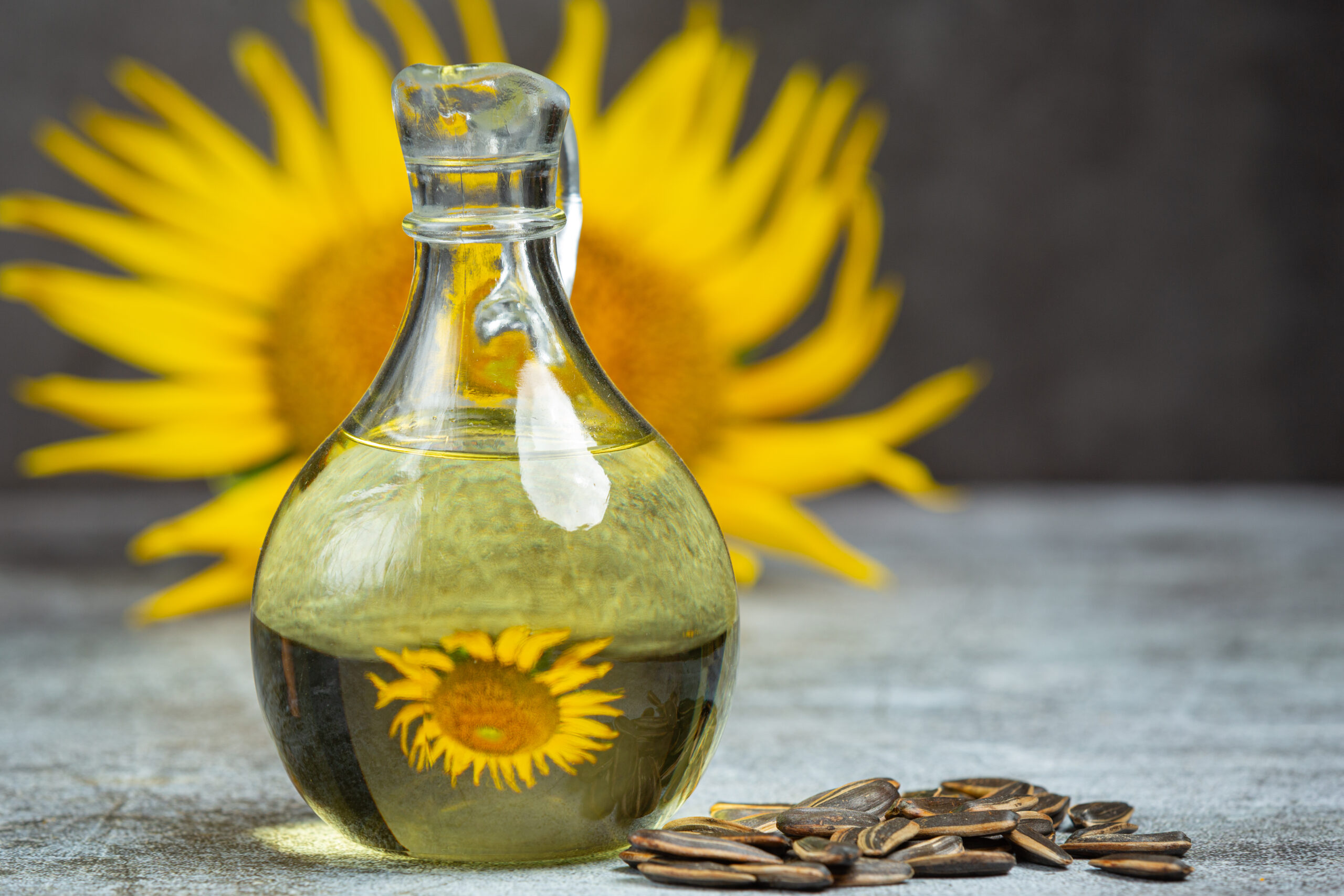
This is especially noticeable with organic sunflower seed oil, which has a light aroma but still responds clearly to heat. The food feels clean, not oily.
Why This Smell Fades as Food Cooks
Another thing people notice: the strong smell doesn’t stay.
That’s because the aroma is most noticeable at the beginning. As ingredients are added and cooking continues, the oil’s character blends into the dish.
What remains isn’t smell, it’s depth.
If the smell stayed sharp all the way through, that would be a problem. Organic oils don’t do that. They start the conversation, then step back.
Interesting Statistic: Industry data confirms that odour compounds in natural, unrefined oils account for 0.1–1% of their composition and are directly tied to the oil’s free fatty acids and volatile aromatic molecules.
Trusting Your Nose Again
For years, many of us have been taught that oil shouldn’t smell like anything. That neutrality equals quality.
But traditional cooking never worked that way.
Smell was always the signal:
- That the oil was ready
- That spices had bloomed
- That heat was right
Organic oils bring that language back into the kitchen.
Once you trust your nose again, cooking becomes less mechanical and more intuitive.
This article is part of our larger guide on Understanding Organic Cooking Oils – Types, How to choose one & Daily use where we explain the full picture.
Frequently Asked Questions
1. Should organic oil smell strong every time I cook?
It should smell noticeable at the beginning, then settle as cooking continues.
2. Does a stronger smell mean the oil is heavy?
No. Aroma and greasiness are not the same thing.
3. Why does refined oil barely smell at all?
Because it has been deodorised during processing.
4. Will this smell change the taste of my food?
Yes — subtly. Food tastes more rounded and complete.